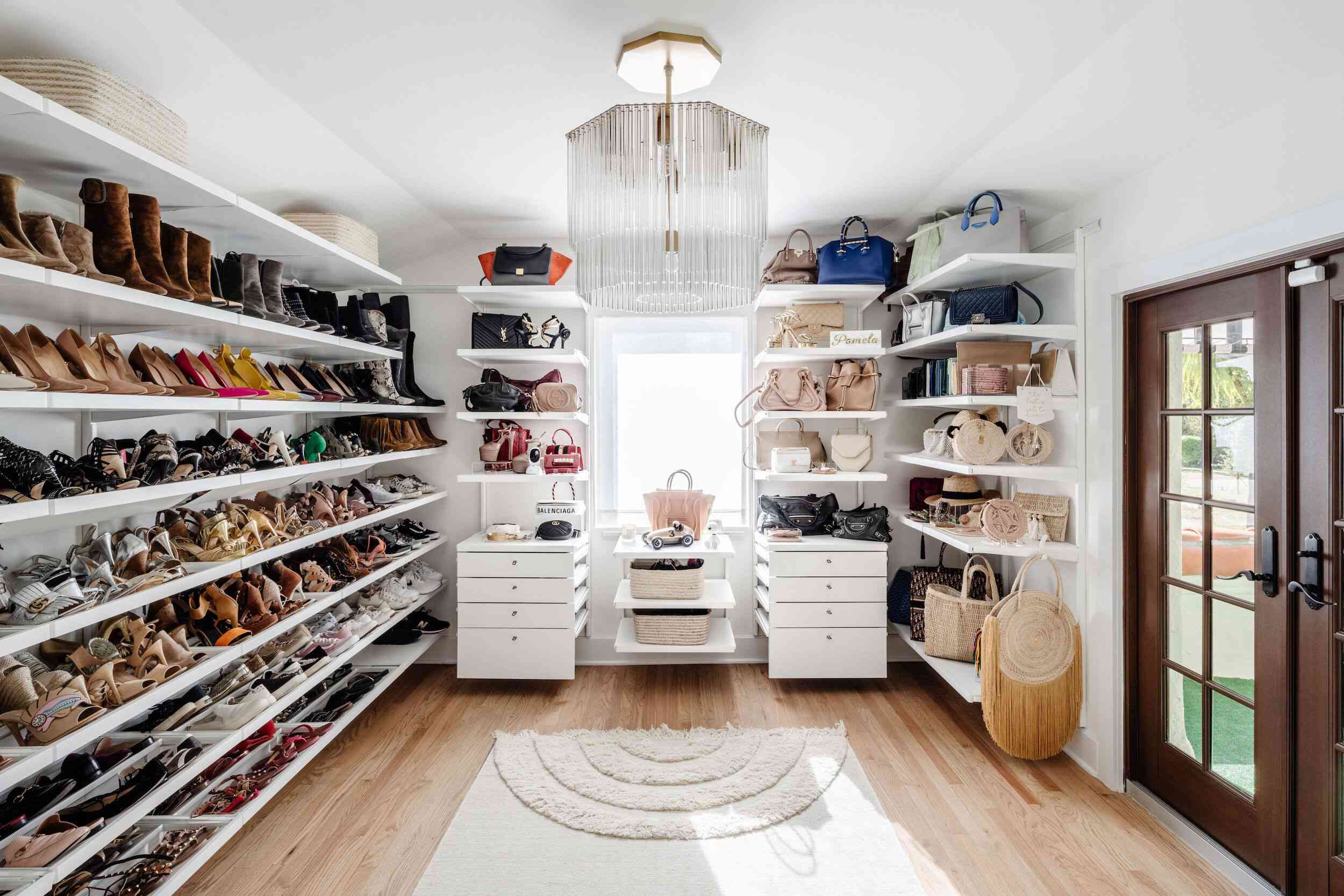
Optimize Your Space: 45+ Clever Bedroom Closet Designs
In the quest for a serene and organized home, the bedroom often holds the key to personal tranquility. Yet, it's also a common battleground for clutter, primarily due to inadequate storage. Optimizing your bedroom closet design is paramount for transforming chaos into calm, creating a functional, beautiful, and highly personalized sanctuary. Whether you're working with a spacious master suite or a cozy nook, the good news is that ingenious solutions abound. Forget the idea that you need a separate walk-in room; with clever planning, your bedroom itself can host a storage system that's both efficient and aesthetically pleasing.
The Core Dilemma: Built-in vs. Freestanding & Open Concepts
The foundation of any effective bedroom closet design often begins with a fundamental decision: do you integrate storage directly into the room's architecture or opt for more flexible, standalone pieces? Each approach offers distinct advantages and caters to different needs and design preferences.
Built-in Closets: Seamless Integration
Built-in closets are the epitome of sleek, custom storage. By integrating seamlessly into your room's structure, they offer a clean, sophisticated look that helps to minimize visual clutter, a critical factor, especially in smaller bedrooms. These designs are typically covered by doors or cleverly concealed, providing a cohesive aesthetic that doesn't "stand out" as a separate piece of furniture. While they require more initial planning and effort to install, the result is a durable, long-term solution that can even add value to your home. They excel at maximizing every inch of available space, often utilizing awkward corners or wall recesses that freestanding units cannot.
Freestanding Wardrobes & Open Concepts: Flexibility and Airiness
For those seeking flexibility or a quick-fix solution, freestanding wardrobes offer portability and easier installation. They can be moved, rearranged, and even taken with you if you relocate. However, their sheer presence can sometimes feel bulky, especially in compact rooms, and their standard sizes may not always make the most efficient use of unique room dimensions.
A more contemporary alternative is the open concept or "makeshift" closet, often comprising simple railings and shelves. This approach can look incredibly airy and lightweight, lending a minimalist or industrial chic vibe. However, its greatest strength can also be its downfall: transparency. Without rigorous organization, an open closet can quickly devolve into a messy display, undoing any sense of calm. To make an open concept work, consider:
- Curated Collections: Only display items you want visible.
- Uniform Hangers: Matching hangers instantly elevate the look.
- Stylish Storage Bins: Use attractive baskets or boxes for smaller, less aesthetically pleasing items.
- Color Coordination: Group clothing by color for a visually appealing gradient.
Innovative Space Dividers: Beyond the Basic Wall
When a dedicated closet room isn't an option, creating a distinct boundary between your sleeping area and your wardrobe can significantly enhance both functionality and aesthetics. This strategy essentially carves out a "closet zone" within your bedroom.
Structural Wall Dividers
The most permanent and contemporary solution involves constructing a partial or full wall between the sleeping and closet space. This can create a small, private dressing area or even a compact walk-in closet. Such a wall offers complete concealment and a robust, elegant solution that requires minimal maintenance. For added utility, the wall itself can be designed as storage, incorporating shelves, drawers, or even serving as the back panel for a built-in wardrobe on one side. While more labor-intensive to realize, the sophisticated finish and separation it provides are unparalleled.
Sheer & Semi-Open Dividers
If full concealment isn't your goal, or if you want to maintain an airy feel, consider transparent or semi-open dividers:
- Glass Partitions: Clear, frosted, or reeded glass walls can delineate space while allowing light to flow through, creating a sophisticated and spacious feel.
- Slatted Wood Screens: These offer a degree of privacy and texture without entirely blocking the view, perfect for a modern, organic aesthetic.
- Open Shelving Units: A tall, open bookshelf can function as a room divider, offering both storage and visual separation without feeling heavy. You can style the shelves with books, plants, and decorative items facing the bedroom, while the back faces the closet area.
These innovative dividers can transform an ordinary bedroom into a stylish, multi-functional space, often creating the illusion of a larger, more structured environment. For more ideas on cleverly concealing your storage, explore Smart Hidden Closet Ideas to Declutter Your Bedroom.
Mastering Concealment: Doors, Curtains, and Beyond
Once you've defined your closet space, the next step in optimizing your bedroom closet design is deciding how to conceal it. The choice of covering significantly impacts the room's aesthetic, practicality, and perceived size.
The Versatility of Curtains
Curtains remain one of the most popular and budget-friendly solutions for covering closet openings. They offer immense flexibility in design, allowing you to instantly change the look and feel of your bedroom simply by swapping out fabrics. From sheer and semi-sheer options that allow some light to filter through, to thick, non-sheer drapes that provide complete concealment, curtains can match any decor style. They are an ideal quick fix for renters or those on a budget, requiring only a rod and your chosen fabric. However, be mindful of potential drawbacks: they require occasional washing and ironing, and curious pets might find them irresistible. To avoid a "makeshift" appearance, opt for quality fabrics, proper sizing, and consider double rods for a more luxurious, layered look.
Door Solutions for Every Space
Doors offer a more permanent and polished finish. The type of door you choose should complement your bedroom's layout and style:
- Sliding Doors: Excellent for maximizing space as they don't require clearance to open outwards. Perfect for reach-in closets and can feature various finishes, from mirrored to paneled.
- Bifold Doors: A good compromise between traditional swinging doors and sliders, they fold in on themselves, saving some space while offering wider access than a single sliding panel.
- Pocket Doors: For ultimate space-saving, pocket doors slide directly into a wall cavity, disappearing completely when open. They are fantastic for small walk-in closets or any area where wall space is at a premium.
- Mirrored Doors: A brilliant two-in-one solution that not only conceals your wardrobe but also bounces light around the room, making it feel larger and brighter, while also providing a full-length mirror.
- Custom Cabinetry Doors: From classic Shaker to minimalist flat-panel or louvered designs, custom doors allow you to perfectly match your closet facade to the overall bedroom aesthetic, creating a truly built-in look.
The right door choice can significantly impact a room's flow and perceived spaciousness. A deeper dive into these options can be found in our article on Curtains vs. Wall Dividers: Best Bedroom Closet Solutions.
Maximizing Interior Organization & Aesthetics
Beyond the facade, the true brilliance of a well-executed bedroom closet design lies in its interior organization and aesthetic harmony. A beautiful exterior is only truly functional if the inside is equally well-planned. This is where personalized storage solutions and thoughtful details elevate the space.
Customization is Key
Tailor your closet's interior to your specific wardrobe and lifestyle. Think beyond just a single hanging rod:
- Double Hanging Rods: Utilize vertical space efficiently for shirts, blouses, skirts, and folded pants.
- Adjustable Shelving: Adapt to different item sizes, from sweaters to bags.
- Drawers & Bins: Perfect for smaller items like undergarments, socks, and accessories, keeping them neatly out of sight.
- Shoe Racks & Cubbies: Dedicated spaces prevent shoes from cluttering the floor and keep them in good condition.
- Pull-out Organizers: Sliding hampers, tie racks, belt racks, and jewelry drawers make accessing items effortless.
For larger closet designs, consider a center island with additional drawers and a seating ottoman – a touch of luxury that also adds functionality.
Lighting: Functional and Ambiance-Enhancing
Good lighting is crucial. Built-in LED strips under shelves, puck lights, or even a small chandelier in a walk-in can transform the space. Not only does it help you see your clothes clearly, but it also adds an element of sophistication and makes getting dressed a more pleasant experience.
Finishes, Flooring, and Personal Touches
The materials and finishes you choose for your closet interior should either complement or create an intentional contrast with your bedroom decor. Bright white cabinetry can create a clean, airy feel, while dark wood or glossy walnut can impart a sense of luxury and warmth. Hardwood flooring, plush rugs, or even carpet can define the closet zone and add comfort. Don't forget personal touches like a small mirror, a comfortable stool, or even a curated piece of art to make your closet feel like a true extension of your personal style.
Conclusion
From ingeniously integrated built-ins to adaptable open concepts and clever concealment methods, the possibilities for optimizing your bedroom closet design are vast. By thoughtfully planning both the exterior presentation and the interior organization, you can transform your bedroom from a cluttered space into a haven of style and serenity. Remember, the best closet design is one that not only looks good but also functions flawlessly for your unique needs, making every day a little more organized and a lot more beautiful.